Every UK business wants lower transportation costs. Every saving helps profits grow. Smart planning also improves customer satisfaction. Many firms face rising fuel prices, wages, and shipping fees. These increase logistics costs every year.
Good planning can reduce transportation costs without lowering service quality. It also builds a stronger supply chain. This guide explains 5 ways to lower spending. It also shows how Transit Fleet’s Transport Management Services can help.
The cost of transportation depends on many factors. Fuel is only one part. The main transportation costs include fuel, labour costs, vehicle repairs, insurance, tolls, and storage. Poor planning also raises transportation logistics costs. Empty vehicles waste both time and fuel.
Late delivery creates extra work. Missed deliveries also hurt customer satisfaction and loyalty. Supply problems may cause disruption across the supply chain. This increases unexpected costs. Many logistics companies now focus on cost reduction through better planning.
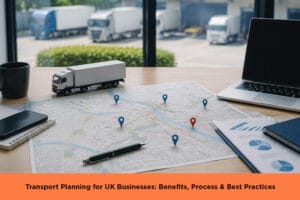
Good route planning is one of the best ways to reduce transportation spending. Choose the shortest and safest transportation routes whenever possible. Better planning helps reduce the number of trips. It also lowers fuel consumption.
Drivers spend less time waiting in traffic. This improves transportation operations. Smart routing also helps minimise delays. Faster journeys improve delivery times. Many companies reduce transportation costs through optimising transportation every day.
Small loads cost more per mile. They also increase handling work. Consolidating shipments allows businesses to move smaller shipments into larger ones. This helps consolidate loads and create economies of scale.
One larger shipment often costs less than several small ones. This simple step can help to reduce costs and improve operational efficiency. Many firms also save on freight charges after combining loads.
Strong inventory management supports efficient logistics. Track stock levels every day. Watch for slow-moving products. Use real-time inventory visibility and data on stock levels. This supports efficient inventory management across every warehouse.
Better planning helps prevent overstocking or stockouts. Lower carrying costs improve cash flow. Fewer stockouts also protect sales and customer trust. Many firms use warehouse management systems with automation to improve accuracy.
Modern systems help businesses streamline daily work. A TMS supports better optimisation across every logistics operation. It gives real-time visibility into vehicles and deliveries. Managers receive real-time updates across the logistics process. This helps teams make informed decisions quickly.
Technology also helps automate manual tasks. Better visibility makes it easier to find delays and every bottleneck. Businesses can spot areas for improvement using reports. Track key performance indicators every month. These reports support better planning and improve efficiency.
Sometimes expert support delivers bigger savings. Consider working with a logistics expert that understands your business. Choose a trusted logistics provider with UK experience. A reliable partner can improve every supplier connection. Many businesses choose third-party logistics services.
A skilled third-party logistics provider helps manage transport and storage. Many companies benefit from partnering with a third-party logistics specialist. They also collaborate with trusted carrier networks. The right team helps streamline operations and reduce waste.
Every product needs the right mode of transport. Different modes of transportation suit different goods. Road transport offers flexibility for local deliveries.
Rail may lower costs for heavy loads. Sea freight suits large international orders. Choosing the right option can lower transportation costs.
Simple changes can produce real savings. Better route planning may cut fuel use by 10% to 20%. A fleet spending £8,000 monthly on fuel could save £800 to £1,600. Shipment consolidation may reduce freight spending by 10% to 25%.
A business spending £5,000 monthly on freight may save £500 to £1,250. Improved inventory control may reduce carrying costs by 15%.
A warehouse costing £4,000 monthly could save around £600. Automation can reduce administration time by 20% or more. These savings help businesses reduce your costs while improving service.
Transit Fleet’s Transport Management Services (TMS) help UK businesses control transport spending. The service supports better supply chain management from planning to delivery. It improves real-time visibility across every shipment. Teams can monitor vehicles and deliveries with confidence. Better planning helps allocate resources more effectively.
The service also supports reducing logistics costs through smarter routing. Businesses can maximise fleet performance while keeping costs under control. It also helps businesses reduce transportation, improve delivery, and strengthen every logistics process.
Lower transport spending takes planning and smart decisions. Use various strategies instead of one solution. Improve routes, manage inventory, and use technology wisely. Build strong relationships with every supplier, carrier, and logistics partner.
These steps help businesses cut costs, improve service, and achieve long-term cost savings. With expert support from Transit Fleet’s Transport Management Services, UK businesses can build a stronger, faster, and more efficient logistics network.
Route Planning, focus on large-scale, manage your inventory and embrace technology to automate your process to minimise your logistics costs. You can reduce cost in every step so the net savings becomes high.
Optimize inventory levels using data-driven forecasting, consolidate and re-negotiate supplier contracts, streamline logistics and shipping routes, and adopt automation technologies to lower manual labour and handling costs.
To ask a supplier for a concession, be polite, clear, and future-minded. Base your request on leverage such as larger order volume, fast payment terms, or a long-term partnership, and frame the negotiation around creating a win-win situation.
Avoid saying phrases that signal weakness, overshare personal details, or lock you into a bad deal. If you lack clarity in communication or miss important aspects, you will most likely pay that loss in terms of higher cost.